As the cryptocurrency market continues to expand, the demand for robust and scalable trading platforms has never been higher. Binance Cloud Exchange, often referred to simply as "Binance Cloud," has emerged as a notable solution for entrepreneurs and businesses looking to launch their own digital asset exchange. But what exactly is Binance Cloud, and does it live up to the expectations set by its parent company? This review breaks down the core features, benefits, and practical considerations of this white-label exchange platform.
At its core, Binance Cloud Exchange is a turn-key solution that allows operators to launch a fully functional cryptocurrency exchange without building the infrastructure from scratch. It leverages the proven technology of Binance, one of the world's leading crypto exchanges. For users, this means access to high liquidity, a deep order book, and robust security protocols. The platform supports a wide range of cryptocurrencies, including major coins like Bitcoin (BTC) and Ethereum (ETH), as well as numerous altcoins, giving traders a diverse market to engage with.
One of the primary advantages of Binance Cloud is its speed of deployment. Instead of spending months or years developing a trading engine, wallet system, and compliance framework, operators can have their exchange up and running in a matter of weeks. This is particularly appealing for startups or regional brands that want to enter the market quickly. Additionally, the platform offers high matching engine performance, capable of handling millions of transactions per second, which is crucial for avoiding lag during volatile market movements.
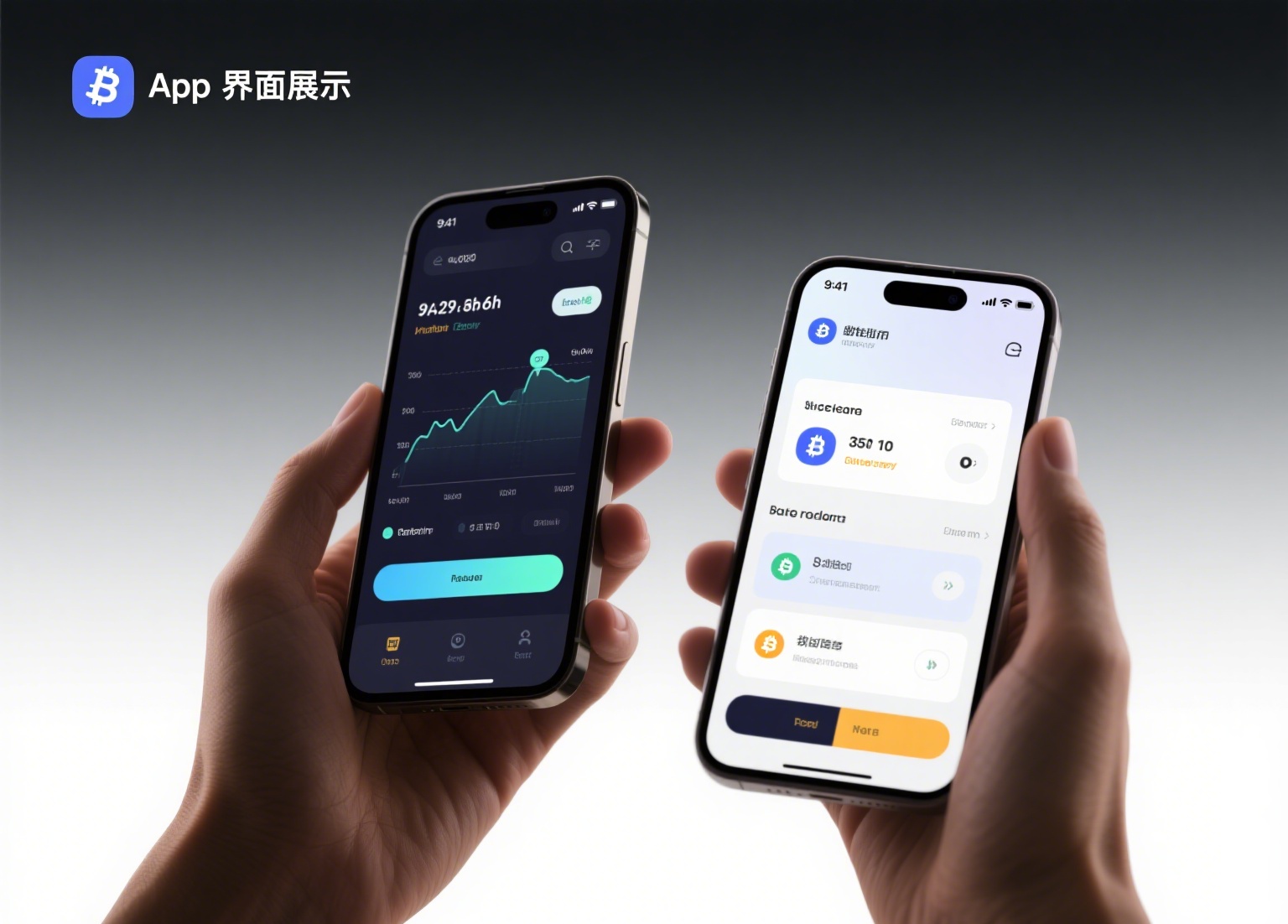
From a trader's perspective, the user experience on a Binance Cloud exchange is generally familiar. Most cloud-based exchanges adopt a similar interface to Binance.com, which is known for its intuitive design and powerful charting tools. Traders often appreciate the advanced order types, such as limit, market, and stop-limit orders, as well as margin trading options. The liquidity is another major selling point. Because Cloud exchanges typically connect to Binance's global liquidity pool, users can execute large trades with minimal slippage, a feature that smaller independent exchanges often struggle to offer.
However, there are also drawbacks that potential users should consider. One common criticism is the lack of full control. Since Binance Cloud is a white-label solution, the operator does not own the underlying technology. This means that major decisions regarding system upgrades, listing policies, and even security patches are ultimately controlled by Binance. For example, if Binance decides to restrict certain trading pairs or implement specific geo-blocking rules, the cloud exchange operator may have limited ability to override these changes.
Another important factor is the cost. While Binance Cloud eliminates the high upfront development costs, it operates on a revenue-sharing model or a monthly subscription fee. This can eat into the operator's profit margins, especially for smaller exchanges with lower trading volumes. Furthermore, despite the high security standards, a Binance Cloud exchange is not immune to risks. The platform has been a target for cyberattacks in the past. While Binance has a strong track record of reimbursing affected users, the trust factor can be a concern for risk-averse traders.
Security, however, remains a core strength for Binance Cloud. It incorporates multi-tier and multi-cluster system architecture, advanced risk controls, and real-time monitoring. For traders, this means their funds are stored in a secure asset fund for users (SAFU) system, similar to Binance's own fund. Additionally, the platform supports two-factor authentication (2FA) and withdrawal whitelist features, adding extra layers of protection against unauthorized access.
In terms of regulatory compliance, Binance Cloud offers some flexibility. Operators can tailor their know your customer (KYC) and anti-money laundering (AML) procedures to meet local regulations. This is a significant advantage for businesses operating in jurisdictions with strict financial laws. However, the regulatory landscape for cryptocurrencies is constantly evolving, and cloud exchange operators must stay vigilant to avoid legal pitfalls.
Ultimately, whether Binance Cloud Exchange is "good" depends largely on your specific needs. For traders, it offers a reliable, liquid, and feature-rich environment that is difficult to find elsewhere. For exchange operators, it provides a fast and efficient way to launch a business, albeit with some trade-offs in autonomy and cost. If you are looking for a platform that combines the power of Binance's technology with the flexibility of a white-label solution, Binance Cloud is a compelling option. However, if you prioritize full independence and lower operational costs, you may want to explore alternative solutions or consider building an exchange from the ground up.