Cryptocurrency trading has become a global phenomenon, and Binance stands as one of the largest and most influential exchanges in the industry. For both newcomers and seasoned traders, understanding how to operate on Binance is essential for navigating the digital asset market. This guide provides a clear, step-by-step breakdown of the core operations on the Binance exchange, from account setup to executing your first trade.
Step 1: Registration and Security Setup
To begin using Binance, you must first create an account. Visit the official Binance website or download the mobile app. Registration requires a valid email address or phone number, along with a strong password. After submitting the basic information, you will receive a verification code to confirm your identity. Binance strongly recommends enabling two-factor authentication using Google Authenticator or a similar app. This extra layer of security protects your funds and personal data from unauthorized access.
Step 2: Completing Identity Verification (KYC)
While Binance allows limited functionality for unverified accounts, completing the Know Your Customer process unlocks higher withdrawal limits and full access to trading features. You will need to upload a government-issued ID, such as a passport or driver’s license, and complete a facial recognition scan. Verification usually takes a few minutes to a few hours. Once approved, you can deposit funds and begin trading without restrictions.
Step 3: Depositing Funds
Binance supports multiple deposit methods. The most common approach is depositing cryptocurrency from another wallet. Navigate to "Wallet" > "Fiat and Spot" > "Deposit". Select the cryptocurrency you wish to deposit, and copy the deposit address. Always double-check the network you are using to avoid losing funds. For fiat currency deposits, such as USD or EUR, Binance offers bank transfers, credit/debit cards, and third-party payment services. Note that fiat deposits may incur fees depending on your region and payment method.
Step 4: Navigating the Trading Interface
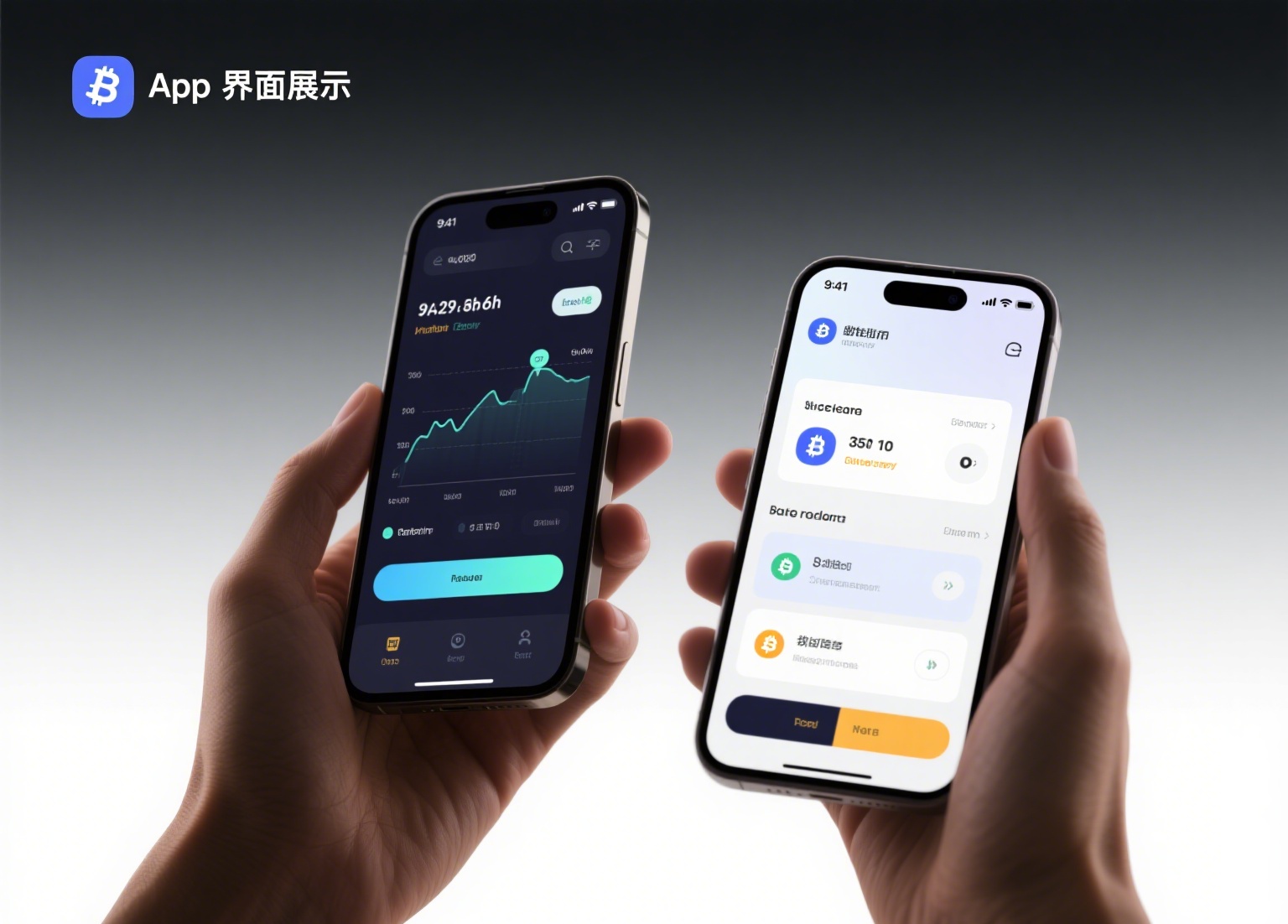
The main trading interface on Binance offers several options: the "Classic" view for simple trading, the "Advanced" view with charting tools, and the "Lite" view for beginners. The key components include the order book, which shows current buy and sell orders; the price chart for technical analysis; and the trading pair selection panel. Common trading pairs include BTC/USDT, ETH/BTC, and many altcoin pairs. Understanding these elements is crucial before placing any order.
Step 5: Placing Your First Trade
To execute a trade, choose a trading pair such as BTC/USDT. On the "Spot" trading page, you will see options for "Limit", "Market", and "Stop-Limit" orders. A market order executes immediately at the current best available price. A limit order sets a specific price at which you want to buy or sell. For example, if Bitcoin is trading at $60,000, a limit buy order at $58,000 will only execute if the price drops to that level. Enter the amount of cryptocurrency you want to trade, review the order details, and click "Buy" or "Sell".
Step 6: Withdrawing Funds
When you are ready to move your funds off Binance, go to "Wallet" > "Fiat and Spot" > "Withdraw". Select the cryptocurrency, enter the destination wallet address, and choose the correct network. Withdrawal fees vary by cryptocurrency. For added security, Binance may require an email confirmation or 2FA code. Always test with a small amount first, especially when sending to a new address. Fiat withdrawals are also available, but processing times can take several business days.
Additional Tools: Binance Earn and Staking
Beyond simple trading, Binance offers products like Binance Earn for passive income. Through "Simple Earn", you can deposit idle cryptocurrencies to earn interest. "Staking" allows you to lock up proof-of-stake coins like Ethereum or Solana, generating rewards over time. These tools require an understanding of lock-up periods and variable rates, so read the terms carefully before committing.
Security Best Practices
Binance provides several security features. Always use the "White List" option for withdrawal addresses to restrict transfers to only pre-approved wallets. Avoid using the same password across multiple exchanges. Additionally, enable "Anti-Phishing Code" in your account settings to identify legitimate Binance emails. Regularly check your account activity for any suspicious login attempts.
Binance is a powerful platform, but its vast features can be overwhelming at first. By mastering these basic operations—registration, verification, deposits, trading, and withdrawals—you can confidently engage with the cryptocurrency market. Whether you are investing long-term or executing short-term trades, following this structured approach ensures a safer and more efficient experience on one of the world's leading digital asset exchanges.